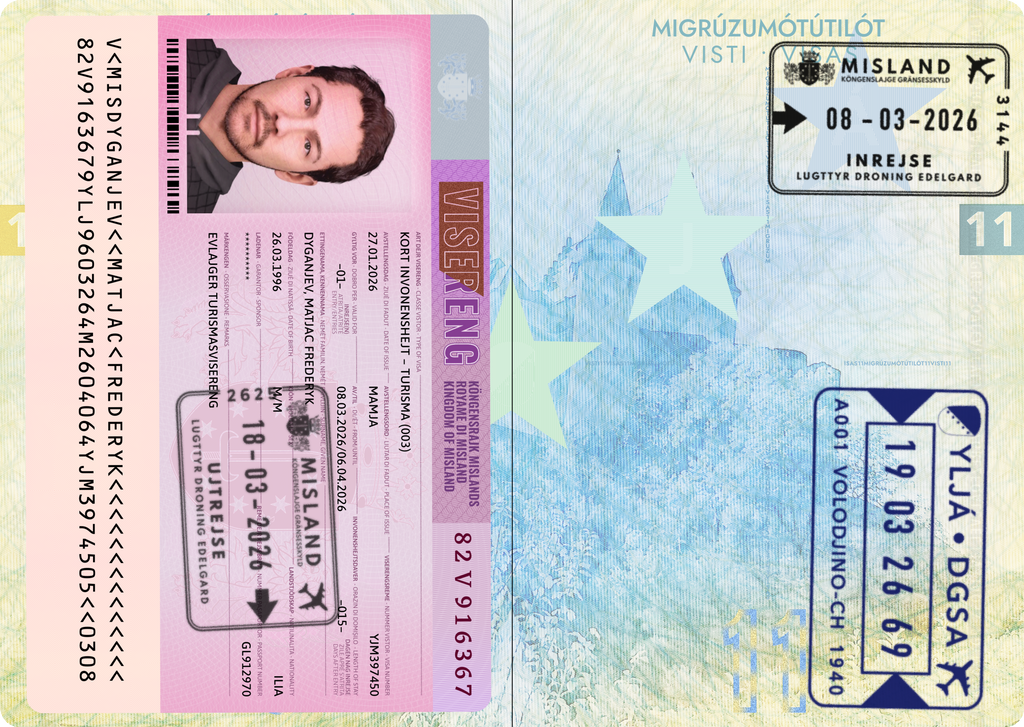
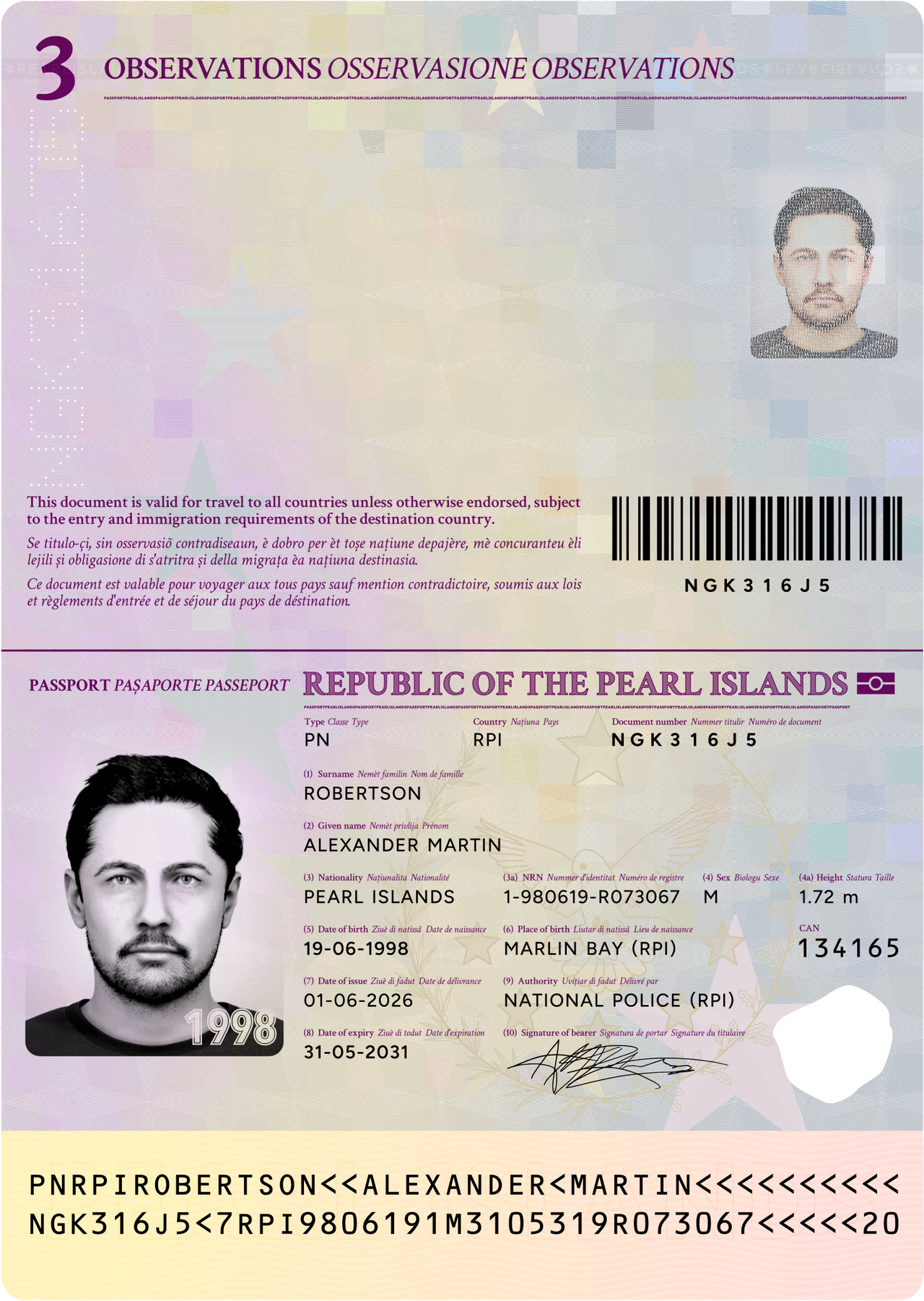
sick visa. the language looks like icelandic and hungarian had a baby
What have you accomplished today?
Re: What have you accomplished today?
Re: What have you accomplished today?
Been adding more detail to my sister language of Rihalle Kaafi, aptly named Reháľa Kâp (hint: the names mean the same thing in each language, and they look more different when written than when pronounced; the only real difference between the two names beyond phonetic details is the latter has no genitive case in it, as the latter language has lost case unless you call the status constructus a 'case').
Yaaludinuya siima d'at yiseka wohadetafa gaare.
Ennadinut'a gaare d'ate eetatadi siiman.
T'awraa t'awraa t'awraa t'awraa t'awraa t'awraa t'awraa.
Ennadinut'a gaare d'ate eetatadi siiman.
T'awraa t'awraa t'awraa t'awraa t'awraa t'awraa t'awraa.
-
þeprussianfrog
- Posts: 123
- Joined: Tue Apr 14, 2026 4:38 am
- Location: Earþ
Re: What have you accomplished today?
Made the colours for Fevornian. What's next is probably the update on their approach to Latinate nouns (which really can't not be unique when you're the world's last non-Romance Italic branch...)
-
þeprussianfrog
- Posts: 123
- Joined: Tue Apr 14, 2026 4:38 am
- Location: Earþ
Re: What have you accomplished today?
Pronouns!
-
lëtzeshark
- Posts: 637
- Joined: Mon Jul 09, 2018 8:21 am
- Location: Lëtzebuerg
- Contact:
Re: What have you accomplished today?
Thank you. Though Ilian (the language of the passport) is more the Hungarian–Estonian lovechild, while indeed the Germanic language on the visa (Mis/Mislandic) is a mix between Icelandic and other assorted Germanic languages. (You know, more excuses to make more shiny things...)
fka vampireshark and doctor shark
The other kind of doctor.
Perpetually in search of banknote subjects. Inquire within.
The other kind of doctor.
Perpetually in search of banknote subjects. Inquire within.
Re: What have you accomplished today?
taking a short break from modern gothic to pick up work on a new ie-derived language that i started a while back. i think i got the consonant changes mostly where i want them (the most significant changes are 1. the laryngeals stick around much more persistently than in any irl language, 2. most of the consonant clusters reduce to single consonants, but in often unexpected ways, and 3. the voiceless stops become voiced stops, the voiced stops become voiced fricatives, and the aspirates become liquids. oh and /r/ merges into /l/ [but is later re-introduced as the reflex of /dʰ/). today i started working on the vowels but i'm having a little more difficulty finding inspiration there. but at least the nice thing about this hobby is that, especially in this stage, a lot of the work i do on it is in excel, so i can do it at the office and it looks like i'm actually working
Re: What have you accomplished today?
all right, here's draft one of sound changes:
these will probably also be followed by stress shifts but i need to look more into that
so some quick results (with no stress changes or morphological leveling) give us:
these changes are just a rough draft (i revised some of them even as i was typing this post), and the words used in the examples are just the reconstructions found on wikipedia and wiktionary. i need to do more real research and pick a reconstruction that works well for me in order to really go into it. but that's where i'm at with this
More: show
so some quick results (with no stress changes or morphological leveling) give us:
More: show
-
quinterbeck
- Posts: 445
- Joined: Sat Jul 21, 2018 12:19 pm
Re: What have you accomplished today?
I'm curious to see how the initial consonant alternation in the declension of 'dog' extends into the rest of the noun space. E.g. the proportion of nouns exhibiting such alternations and whether they fall into distinct classes or are very idiosyncratic. Very fun project
Re: What have you accomplished today?
I am surprised that 'dog' has not undergone some sort of leveling or splitting into separate lexemes myself.
Yaaludinuya siima d'at yiseka wohadetafa gaare.
Ennadinut'a gaare d'ate eetatadi siiman.
T'awraa t'awraa t'awraa t'awraa t'awraa t'awraa t'awraa.
Ennadinut'a gaare d'ate eetatadi siiman.
T'awraa t'awraa t'awraa t'awraa t'awraa t'awraa t'awraa.
Re: What have you accomplished today?
One I just thought of is you could do something like have b-words for 'dog' and ʤ-words for, say, 'puppy'.
Yaaludinuya siima d'at yiseka wohadetafa gaare.
Ennadinut'a gaare d'ate eetatadi siiman.
T'awraa t'awraa t'awraa t'awraa t'awraa t'awraa t'awraa.
Ennadinut'a gaare d'ate eetatadi siiman.
T'awraa t'awraa t'awraa t'awraa t'awraa t'awraa t'awraa.
-
lëtzeshark
- Posts: 637
- Joined: Mon Jul 09, 2018 8:21 am
- Location: Lëtzebuerg
- Contact:
Re: What have you accomplished today?
More playtime.
More: show
Last edited by lëtzeshark on Mon Jun 29, 2026 12:53 pm, edited 1 time in total.
fka vampireshark and doctor shark
The other kind of doctor.
Perpetually in search of banknote subjects. Inquire within.
The other kind of doctor.
Perpetually in search of banknote subjects. Inquire within.
Re: What have you accomplished today?
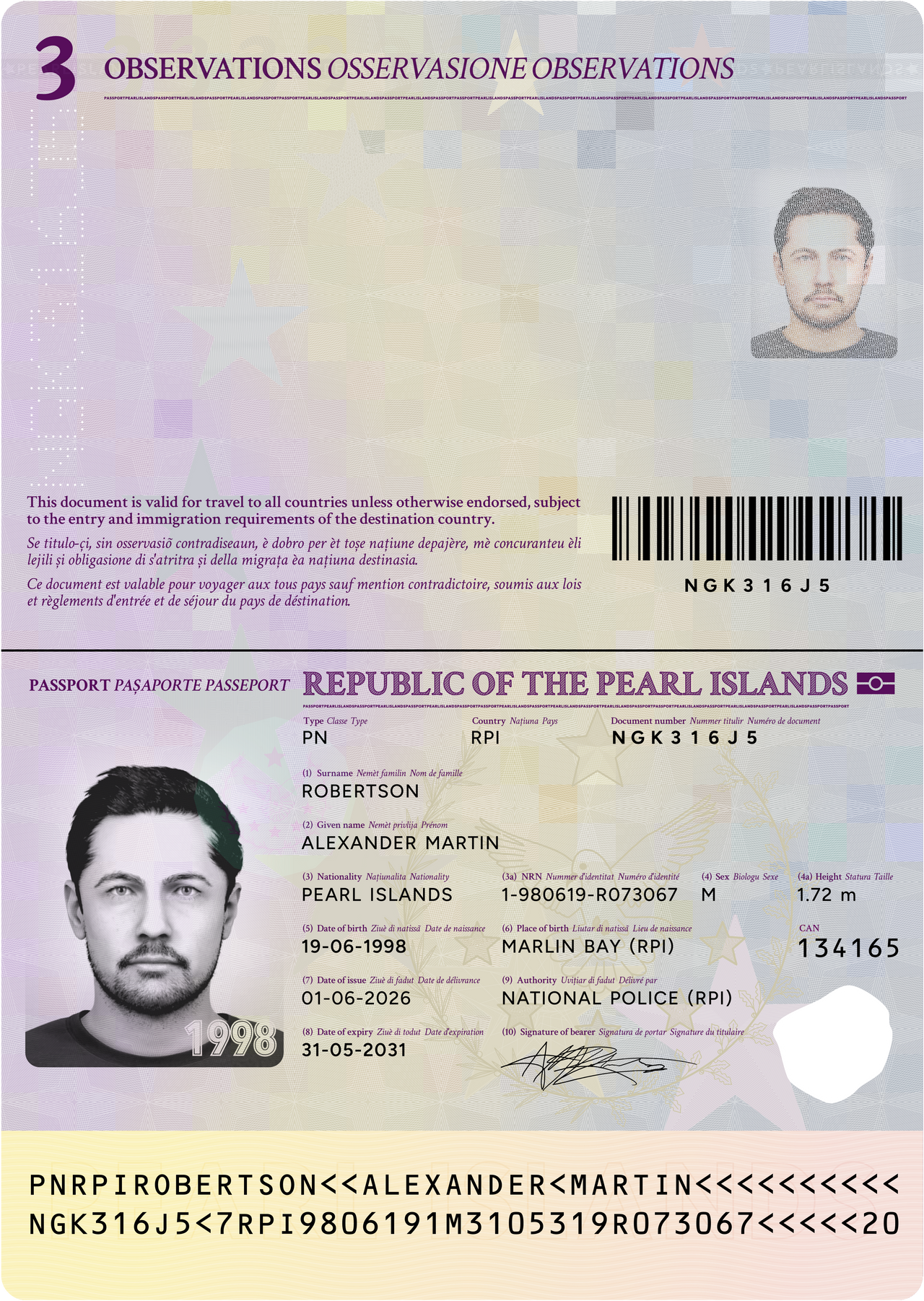
A minor nitpick -- is there any reason why the French for "nationality" is given as "nationality"?
Yaaludinuya siima d'at yiseka wohadetafa gaare.
Ennadinut'a gaare d'ate eetatadi siiman.
T'awraa t'awraa t'awraa t'awraa t'awraa t'awraa t'awraa.
Ennadinut'a gaare d'ate eetatadi siiman.
T'awraa t'awraa t'awraa t'awraa t'awraa t'awraa t'awraa.
-
lëtzeshark
- Posts: 637
- Joined: Mon Jul 09, 2018 8:21 am
- Location: Lëtzebuerg
- Contact:
Re: What have you accomplished today?
An error I should fix. (Thanks for pointing it out!)
fka vampireshark and doctor shark
The other kind of doctor.
Perpetually in search of banknote subjects. Inquire within.
The other kind of doctor.
Perpetually in search of banknote subjects. Inquire within.
-
lëtzeshark
- Posts: 637
- Joined: Mon Jul 09, 2018 8:21 am
- Location: Lëtzebuerg
- Contact:
Re: What have you accomplished today?
Also, as a random thought, might there be interest in a "how to make a passport data page" tutorial? I have no idea how much energy I'd have to do one, but if there's interest, I'd definitely make energy.
fka vampireshark and doctor shark
The other kind of doctor.
Perpetually in search of banknote subjects. Inquire within.
The other kind of doctor.
Perpetually in search of banknote subjects. Inquire within.
Re: What have you accomplished today?
I'd be very curious, but I'm not sure I'd have the time or skills to make use of it myself.lëtzeshark wrote: ↑Fri Jun 26, 2026 5:26 pm Also, as a random thought, might there be interest in a "how to make a passport data page" tutorial? I have no idea how much energy I'd have to do one, but if there's interest, I'd definitely make energy.
LZ – Lēri Ziwi
PS – Proto Sāzlakuic (ancestor of LZ)
PRk – Proto Rākēwuic
XI – Xú Iạlan
VN – verbal noun
SUP – supine
DIRECT – verbal directional
My language stuff
PS – Proto Sāzlakuic (ancestor of LZ)
PRk – Proto Rākēwuic
XI – Xú Iạlan
VN – verbal noun
SUP – supine
DIRECT – verbal directional
My language stuff
Re: What have you accomplished today?
I have finally finished translating an excerpt from the first Game of Thrones book into Proto-Dwarvish. Sorry I don't have the plain text English; I translated this from Swedish.
"Vi venda apftæ mit tsirving", Gæred seighælksta tsankghingkhardaldastap bæi dzatsæit dzaprigbirghæ qirbreitæ mirgir bougruvind tsei bæi volt.
1PL turn-GNO back with necessity Garet say-PRF persistently at when.CONJ IMPF-NVOL.PASS-begin become dark around 3PL at forest
"Raubmukheinanurqæ qirau deighaqir."
thief-PL COP-PRS dead
"Dzu dzat deighabanurqæ firækhtæntsits?" Veimar Rous zbirghælksta ankhir dzapkhlæighæ zavakstap.
2SG ACC.AGR.DIST dead-PL fear-GNO-Q Waymar Royce ask-PRF CONJ IMPF-smile weakly
Gæred nikh dzapdonan sqe saulbolz kheibædzer, ankhirsa khei dzapqir gamædz, tivlitsind dizen pfidzvor, ankhir khei dzapzin dzat ungzulingurqæ gouldzinligh ganokhos qiman ankhir gangan.
Gared NEG IMPF-do so self VOL.PASS.ANIM-tease because 3SG IMPF-COP old past twelve four CONJ 3SG IMPF-see COMP youngling-PL posh many come and go
"Bæi flidghænaningfulk dværghein qirau deighaqir sqe dværghein qirau, firqirfolkhir vi dzat deighabanurqæ nikh anrakzinau", khei seighælksta.
at case INDEF.PRON COP-PRS dead so INDEF.PRON COP-PRS but 1PL ACC.AGR.DIST dead-PL NEG deal-PRS 3SG say-PRF
"Tsei qirau vouvæstap deighaqir?" Rous vanerulksta mit maulkhlighoudz mel.
3PL COP-PRS really dead Royce wonder-PRF with voice smooth
"Vi dzis ertanbirghats fada khaldau?"
1PL ACC.AGR.PROX evidence what.ADJ have-PRS
"Vil dzær tsei zinksta", Gæred ænserulksta, "ankhir bæi flidghænaningfulk khei seighæ dzat tsei qirau deighaqir sqe ge qirau mit ertanbirghats fulksmlurqæ bvour ik."
Will ACC.AGR.DIST 3PL see-PRF Gared answer-PRF CONJ at case 3SG say-GNO COMP 3PL COP-PRS dead so it COP-PRS with evidence enough for 1SG
Vil læisalksta dzat tsei dzis khei dzapslakhanantind tsumont kæmpfening bæi stundnar mei tsingots stundsloustap mei, ankhir khei dzapvolen dzat ge dzapqir stundsloustap mei.
Will know-PRF COMP they ACC.AGR.PROX 3SG IMPF-engage into quarrel soon more or later more, CONJ 3SG IMPF-want COMP it IMPF-COP later more
"Midzer iks khær ik læisadzatbrængulksta dzat deighabanurqæ dzat sindzingurqæ karnfanikh sindzæ", khei zetemontulksta.
mother 1SG-GEN ACC.AGR.PROX 1SG tell-PRF COMP dead-PL ACC.AGR.DIST song-PL no sing-GNO, 3SG insert-PRF
"Melkzæighekhænd iks dzat tsing sem læisadzatbrængulksta, Vil", Rous seighælksta, "firqirfolkhir dværghein dzat tsing khlou mit tsirving nikhtsæit fad rigkhornau bæi brighoust qindæs.
wetnurse 1SG-GEN ACC.AGR.DIST thing same tell-PRF, Will, Royce say-PRF, but INDEF.PRON ACC.AGR.DIST thing believe-GNO with necessity never what NVOL.PASS-hear-PRS at breast woman-GEN
Deighabanurqæ tsingurqæ læisadzatbrængsqe khalda mit qirfad."
dead-PL thing-PL tell-PASS.PTCP have-GNO with maybe
Maulkhlighoudz kheis dzapkhlighoudzkhlighoudzghæ mikenstap aurflæidus bæi mirgirskapsekhqing voltæs.
voice 3SG-GEN IMPF-echo loudly too at dusk forest-GEN
There are some awfully long words here, but I'm thinking that during the primordial times when this language was spoken, the dwarves just were not in a rush. For the daughterlangs I will shorten these words though.
"Vi venda apftæ mit tsirving", Gæred seighælksta tsankghingkhardaldastap bæi dzatsæit dzaprigbirghæ qirbreitæ mirgir bougruvind tsei bæi volt.
1PL turn-GNO back with necessity Garet say-PRF persistently at when.CONJ IMPF-NVOL.PASS-begin become dark around 3PL at forest
"Raubmukheinanurqæ qirau deighaqir."
thief-PL COP-PRS dead
"Dzu dzat deighabanurqæ firækhtæntsits?" Veimar Rous zbirghælksta ankhir dzapkhlæighæ zavakstap.
2SG ACC.AGR.DIST dead-PL fear-GNO-Q Waymar Royce ask-PRF CONJ IMPF-smile weakly
Gæred nikh dzapdonan sqe saulbolz kheibædzer, ankhirsa khei dzapqir gamædz, tivlitsind dizen pfidzvor, ankhir khei dzapzin dzat ungzulingurqæ gouldzinligh ganokhos qiman ankhir gangan.
Gared NEG IMPF-do so self VOL.PASS.ANIM-tease because 3SG IMPF-COP old past twelve four CONJ 3SG IMPF-see COMP youngling-PL posh many come and go
"Bæi flidghænaningfulk dværghein qirau deighaqir sqe dværghein qirau, firqirfolkhir vi dzat deighabanurqæ nikh anrakzinau", khei seighælksta.
at case INDEF.PRON COP-PRS dead so INDEF.PRON COP-PRS but 1PL ACC.AGR.DIST dead-PL NEG deal-PRS 3SG say-PRF
"Tsei qirau vouvæstap deighaqir?" Rous vanerulksta mit maulkhlighoudz mel.
3PL COP-PRS really dead Royce wonder-PRF with voice smooth
"Vi dzis ertanbirghats fada khaldau?"
1PL ACC.AGR.PROX evidence what.ADJ have-PRS
"Vil dzær tsei zinksta", Gæred ænserulksta, "ankhir bæi flidghænaningfulk khei seighæ dzat tsei qirau deighaqir sqe ge qirau mit ertanbirghats fulksmlurqæ bvour ik."
Will ACC.AGR.DIST 3PL see-PRF Gared answer-PRF CONJ at case 3SG say-GNO COMP 3PL COP-PRS dead so it COP-PRS with evidence enough for 1SG
Vil læisalksta dzat tsei dzis khei dzapslakhanantind tsumont kæmpfening bæi stundnar mei tsingots stundsloustap mei, ankhir khei dzapvolen dzat ge dzapqir stundsloustap mei.
Will know-PRF COMP they ACC.AGR.PROX 3SG IMPF-engage into quarrel soon more or later more, CONJ 3SG IMPF-want COMP it IMPF-COP later more
"Midzer iks khær ik læisadzatbrængulksta dzat deighabanurqæ dzat sindzingurqæ karnfanikh sindzæ", khei zetemontulksta.
mother 1SG-GEN ACC.AGR.PROX 1SG tell-PRF COMP dead-PL ACC.AGR.DIST song-PL no sing-GNO, 3SG insert-PRF
"Melkzæighekhænd iks dzat tsing sem læisadzatbrængulksta, Vil", Rous seighælksta, "firqirfolkhir dværghein dzat tsing khlou mit tsirving nikhtsæit fad rigkhornau bæi brighoust qindæs.
wetnurse 1SG-GEN ACC.AGR.DIST thing same tell-PRF, Will, Royce say-PRF, but INDEF.PRON ACC.AGR.DIST thing believe-GNO with necessity never what NVOL.PASS-hear-PRS at breast woman-GEN
Deighabanurqæ tsingurqæ læisadzatbrængsqe khalda mit qirfad."
dead-PL thing-PL tell-PASS.PTCP have-GNO with maybe
Maulkhlighoudz kheis dzapkhlighoudzkhlighoudzghæ mikenstap aurflæidus bæi mirgirskapsekhqing voltæs.
voice 3SG-GEN IMPF-echo loudly too at dusk forest-GEN
There are some awfully long words here, but I'm thinking that during the primordial times when this language was spoken, the dwarves just were not in a rush. For the daughterlangs I will shorten these words though.
My latest quiz:
Största städerna på Y i Sydamerika
Största städerna på Y i Sydamerika
Re: What have you accomplished today?
Is this a Germanic language? What with venda ‘turn’, seigh- ‘say’, deigh- ‘dead’, nikh ‘NEG’, dværghein ‘INDF.PRON’ [‘dwarves’?], mit ‘with’, vi ‘we’, etc. etc.
Conlangs: Scratchpad | Texts | antilanguage
Software: See http://bradrn.com/projects.html
Other: Ergativity for Novices
(Why does phpBB not let me add >5 links here?)
Software: See http://bradrn.com/projects.html
Other: Ergativity for Novices
(Why does phpBB not let me add >5 links here?)
the language of the sirens...

maybe a universal language could not be understood by everyone who heard it...
Re: What have you accomplished today?
I have taken nearly all the words from Germanic languages, but not in any systematic way. Dværghein is actually literally "one dwarf".
My latest quiz:
Största städerna på Y i Sydamerika
Största städerna på Y i Sydamerika